Everyone Wants to be Hermes
I’ve been thinking about this a lot lately, especially with Chanel's latest price hike and all the talk around The Row's new mesh bag and its $800 flip-flops: it seems like every luxury brand wants to be Hermès.
What does that even mean?
It means they want the financial success, the loyal customer base, and the social cachet that Hermès has built over a lifetime. Hermès is one of the few brands (along with Prada Group) that posted a Q2 financial increase, with a 9% year-over-year rise in Q2 2025. In a luxury market where customers are holding onto their coins tightly, how have they managed to do this?
How Are Other Brands Trying to Copy Hermès?
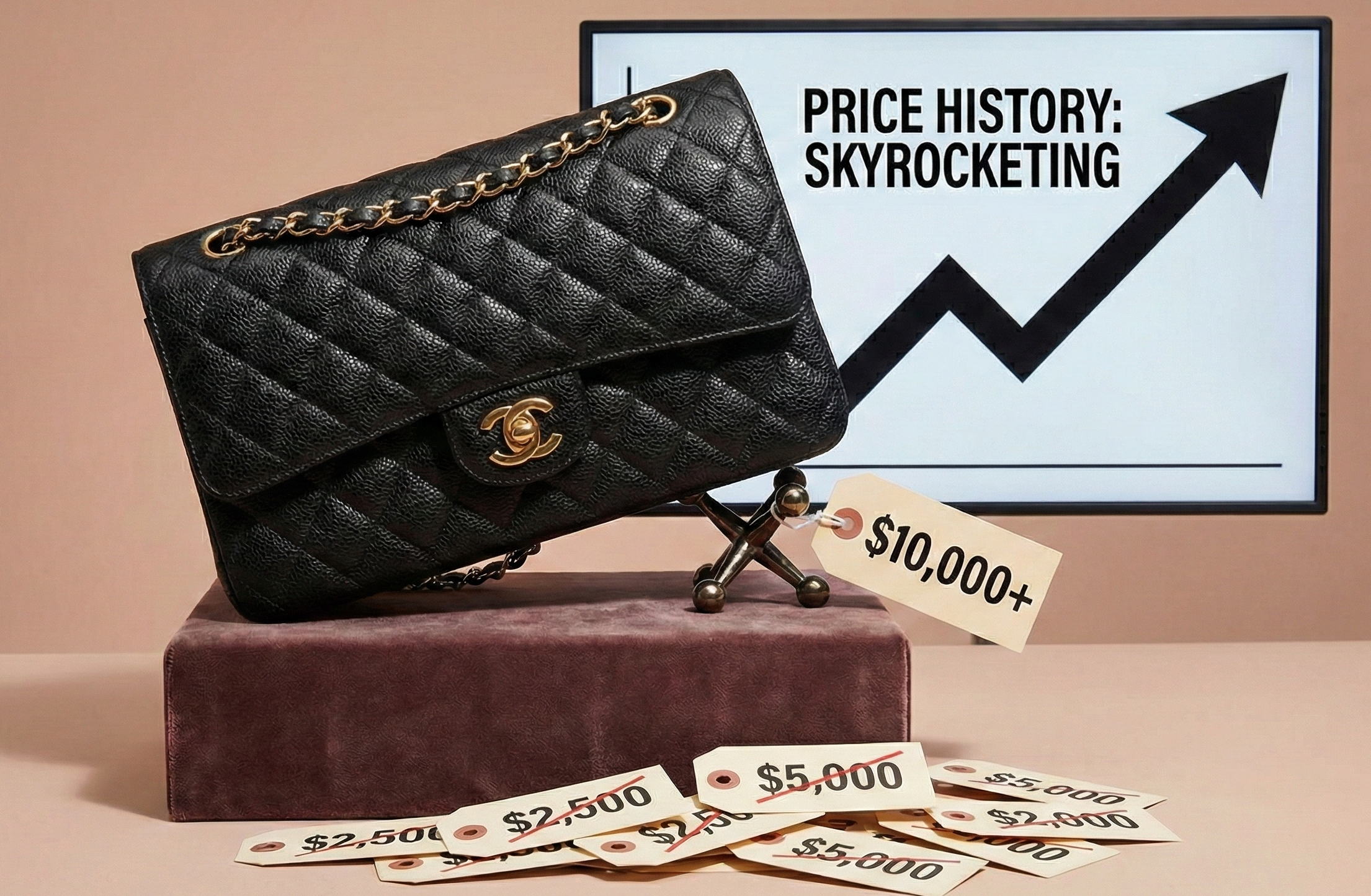
One major thing I'm seeing is brands like Chanel continually jacking up their prices to compete. The problem is, Chanel has doubled the cost of its bags in the last six years, and customers are complaining that the quality hasn’t kept up with the price. While human memory isn’t perfect, people remember when these bags were more attainable and better made just a few years ago. You can’t just suddenly shift your prices to mimic Hermès. If you’re going to bleed your customers dry, you have to at least do it gradually over decades so they don’t notice as much.
Another strategy I’ve noticed is brands restricting access to certain bags, just like Hermès does with the Birkin and Kelly. With Hermès, you can’t just walk in and buy one; you have to build a relationship with a sales associate and show your loyalty by buying other items first. While no one is fully at this convoluted level of scheming yet, brands like Loewe are getting close. With the recent Madrid bag, for example, you can't simply walk into the store and buy it. You have to contact a sales associate, have a purchase history, and then hope one becomes available. A model that is very similar to Hermes.
The Cult of Hermès
In my opinion, Hermès has a cult-like following where even people who have never shopped there see it as the pinnacle of luxury. The number of TikTok videos I've seen of people who own nothing from the brand yet blindly put it at the top of their "best luxury" lists is honestly a little scary. I can understand the praise from people who have actually purchased from the brand and love the quality and experience, but for those who have likely never stepped foot in a store to speak on it with such awe and reverence? It’s a masterful marketing strategy. Thierry Hermès can rest peacefully knowing he has successfully "bamboozled" a customer base who will likely never purchase from his brand. As a brand, this is the exact public sentiment you'd want, especially when your products are so unattainable that you have to spend even more money just to be offered something. The only other brand that comes to mind with a similar following is The Row, and I think that’s more due to the quiet luxury trend than a true reverence for the brand itself.
Are These Brands Actually Succeeding?
The biggest reason they are not succeeding is because their products don't have the same resale value as Hermès. I hate to use the word “investment” so casually, but Hermès bags (specifically the Birkin and Kelly) are the only ones I would begrudgingly put in that category. The resale prices of these bags are often double their in-store price. The only other bags that come close for other brands are ultra-rare and limited-edition pieces, and even those rarely double in value. Hermès achieves this with their regular, everyday bags. And don’t even get me started on the resale value of their exotic skins. Once brands like The Row can achieve similar resale values on their basic line, then maybe, just maybe, they can start to be like Hermès.
Final Thoughts
I can’t get enough of learning about Hermès’s place in the market. It’s fascinating how a brand with astronomical pricing can not only have a loyal customer base but also capture the attention of a crowd it isn’t even actively targeting. What's most impressive is their tight control over production. They simply refuse to make more bags to meet the overwhelming demand. To some extent, I have to give them credit for not being too greedy and for resisting the capitalistic urge to make as much money as possible. But then I remember that at the end of the day, they are still a multi-billion dollar corporation, and their ultimate goal is always profit.
